
தமிழ் மொழியின் அர்த்தங்கள்
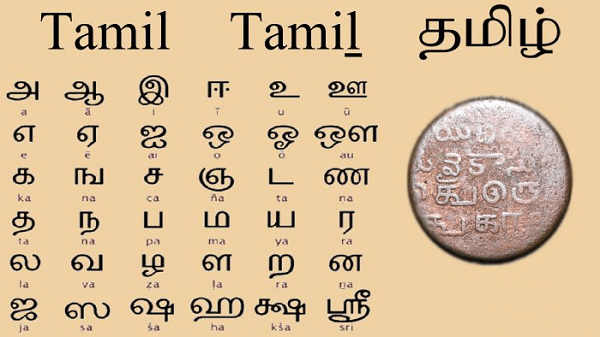
தமிழ்: கலாச்சாரம், வரலாறு மற்றும் அடையாளத்தின் வளமான சித்திரம்
உலகின் பழமையான செம்மொழிகளில் ஒன்றாக அங்கீகரிக்கப்பட்ட தமிழ், இரண்டாயிரமாண்டுகளுக்கும் மேலான செழுமையான கலாச்சார பாரம்பரியத்தைக் கொண்டுள்ளது. தென்னிந்திய மாநிலமான தமிழ்நாட்டில் தோன்றிய தமிழ், இலங்கை, சிங்கப்பூர், மலேசியா மற்றும் உலகளவில் புலம்பெயர்ந்த தமிழ் சமூகங்கள் மத்தியில் பரவலாகப் பேசப்படுகிறது. அதன் இலக்கியம், சங்க காலத்தைச் சேர்ந்தது (கிமு 300 முதல் கிபி 300 வரை), காவியக் கவிதைகள், தத்துவப் படைப்புகள் மற்றும் பக்தி பாடல்கள், ஆழ்ந்த இலக்கிய பாரம்பரியத்தை வெளிப்படுத்துகிறது.
கலாச்சார ரீதியாக, தமிழ் அதன் பாரம்பரிய இசைக்காக கொண்டாடப்படுகிறது, இது தென்னிந்திய பாரம்பரிய இசை மற்றும் உலகளாவிய வகைகளில் தாக்கத்தை ஏற்படுத்தியது. தமிழ்நாட்டிலிருந்து தோன்றிய பாரம்பரிய நடன வடிவமான பரதநாட்டியம், தமிழ் கலாச்சாரத்தில் மூழ்கிய கதைகளைச் சொல்ல, இயக்கம், வெளிப்பாடு மற்றும் இசை ஆகியவற்றை சிக்கலான முறையில் பிணைக்கிறது.
தமிழ் கலாச்சாரத்தில் மொழியும் அடையாளமும் ஆழமாக பின்னிப்பிணைந்துள்ளது, தலைமுறை தலைமுறையாக பாரம்பரியங்கள், சடங்குகள் மற்றும் குடும்ப உறவுகளை பாதுகாக்கும் ஒரு வாகனமாக மொழி செயல்படுகிறது. உலகமயமாக்கல் மற்றும் நவீனமயமாக்கல் முன்வைக்கும் சவால்கள் இருந்தபோதிலும், தமிழ் இலக்கியத்தை டிஜிட்டல் மயமாக்குதல், தமிழ் கல்வியை மேம்படுத்துதல் மற்றும் அழிந்து வரும் பேச்சுவழக்குகளைப் பாதுகாப்பதற்கான முயற்சிகள் தொடர்ந்து நடைபெற்று வருகின்றன, இது சமகால சமூகத்தில் மொழியின் உயிர்த்தன்மையையும் பொருத்தத்தையும் உறுதி செய்கிறது.
கலாசார விழாக்கள், இலக்கிய நிகழ்வுகள் மற்றும் டிஜிட்டல் முயற்சிகள் மூலம் உலகளவில் தமிழ் கலாச்சாரத்தை மேம்படுத்துவதிலும் பாதுகாப்பதிலும் தமிழ் புலம்பெயர்ந்தோர் முக்கிய பங்கு வகிக்கின்றனர். தமிழ் சமூகங்கள் தங்கள் பாரம்பரியத்தை கொண்டாடும் போது, மொழி தொடர்ந்து உருவாகி, சமகால அபிலாஷைகளுடன் பழங்கால ஞானத்தை இணைக்கிறது மற்றும் மொழியியல் பன்முகத்தன்மையின் உலகளாவிய திரைச்சீலையில் ஒரு துடிப்பான நூலாக அதன் இடத்தை மீண்டும் உறுதிப்படுத்துகிறது.
Tamil: A Rich Tapestry of Culture, History, and Identity
Tamil, recognized as one of the oldest classical languages in the world, boasts a rich cultural heritage that spans over two millennia. Originating in the southern Indian state of Tamil Nadu, Tamil is also spoken widely in Sri Lanka, Singapore, Malaysia, and among Tamil diaspora communities globally. Its literature, dating back to the Sangam period (300 BCE to 300 CE), includes epic poetry, philosophical works, and devotional hymns, showcasing a profound literary tradition.
Culturally, Tamil is celebrated for its classical music, which has influenced South Indian classical music and global genres alike. Bharatanatyam, a classical dance form originating in Tamil Nadu, intricately weaves together movement, expression, and music to tell stories steeped in Tamil culture.
Language and identity are deeply intertwined in Tamil culture, with the language serving as a vehicle for preserving traditions, rituals, and familial ties across generations. Despite the challenges posed by globalization and modernization, efforts to digitize Tamil literature, promote Tamil education, and preserve endangered dialects are ongoing, ensuring the language’s vitality and relevance in contemporary society.
The Tamil diaspora plays a crucial role in promoting and preserving Tamil culture worldwide, through cultural festivals, literature events, and digital initiatives. As Tamil communities celebrate their heritage, the language continues to evolve, bridging ancient wisdom with contemporary aspirations and reaffirming its place as a vibrant thread in the global tapestry of linguistic diversity.